Why public spaces are becoming more important
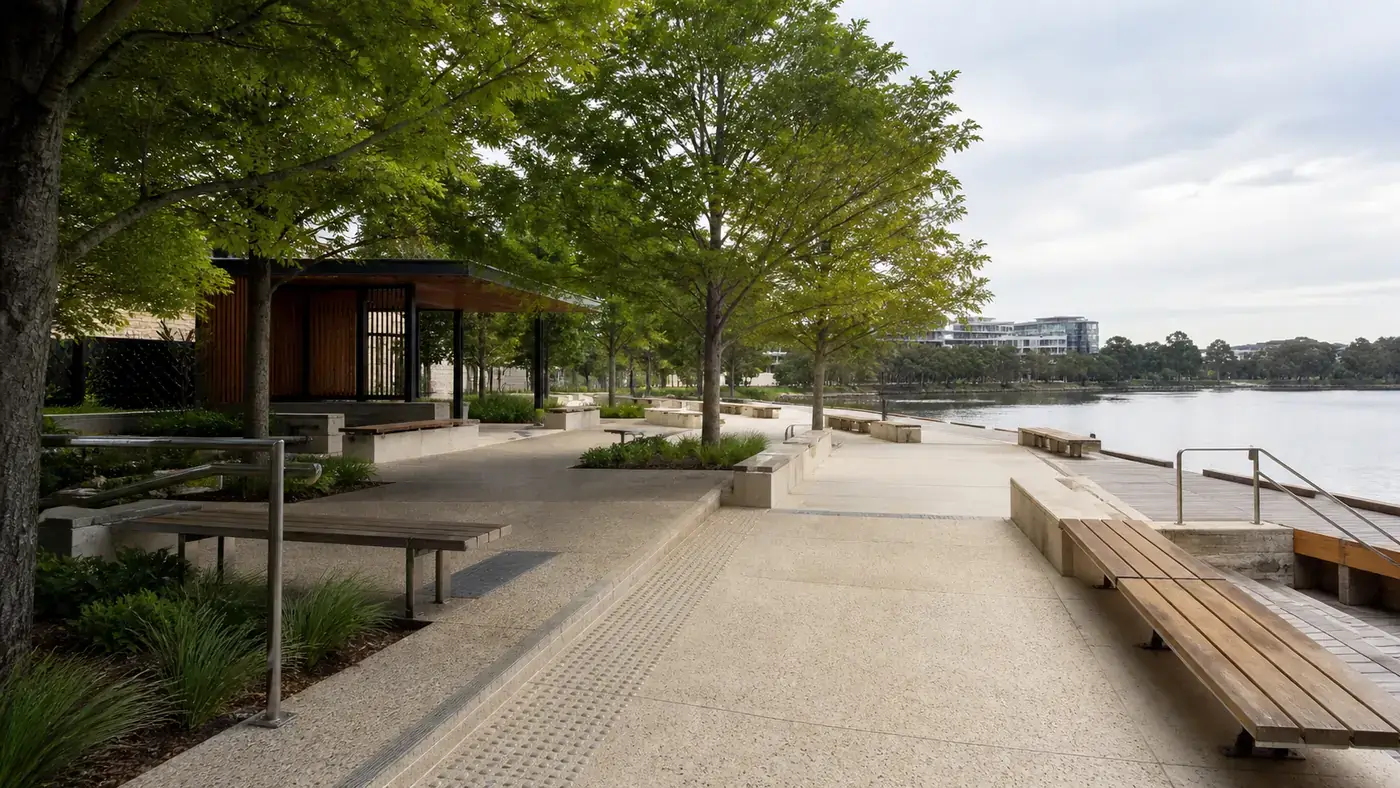
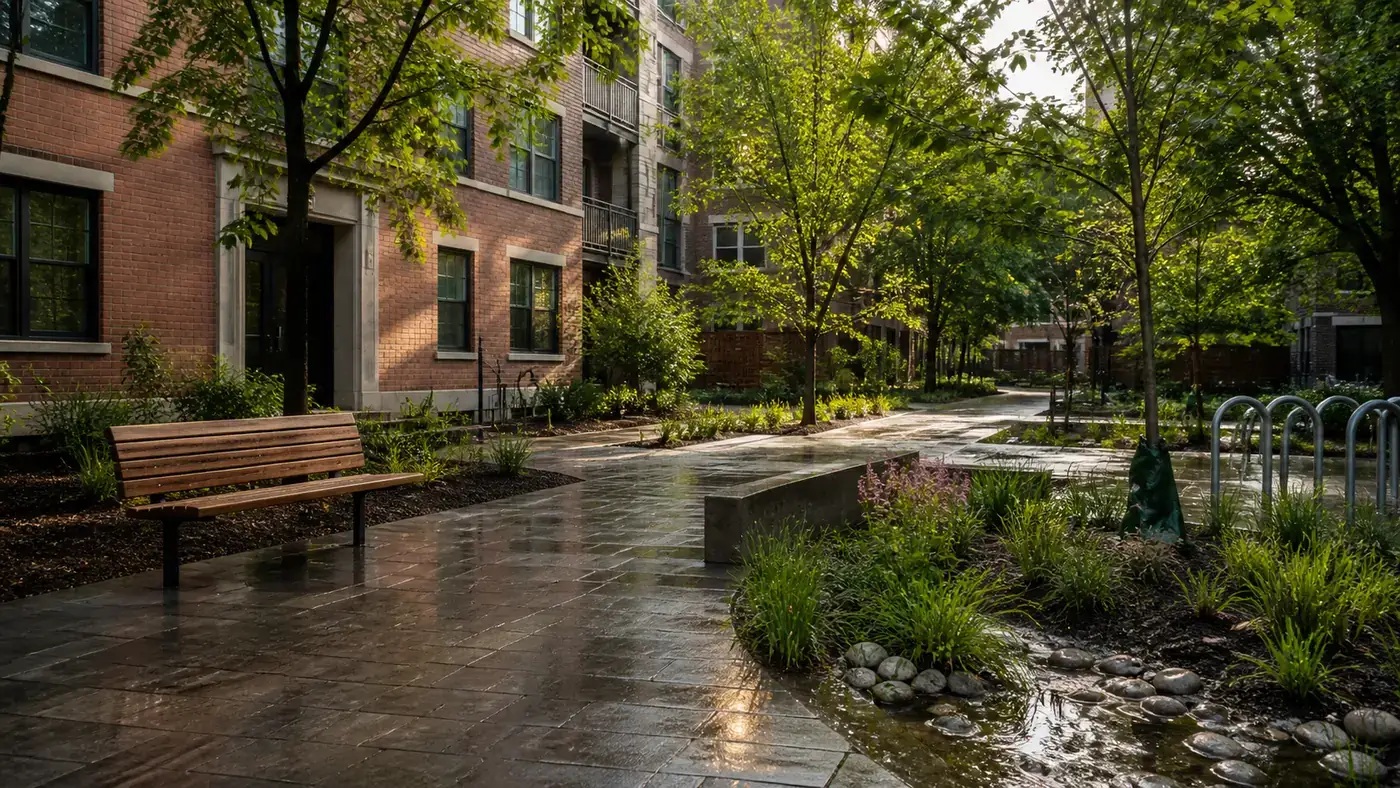
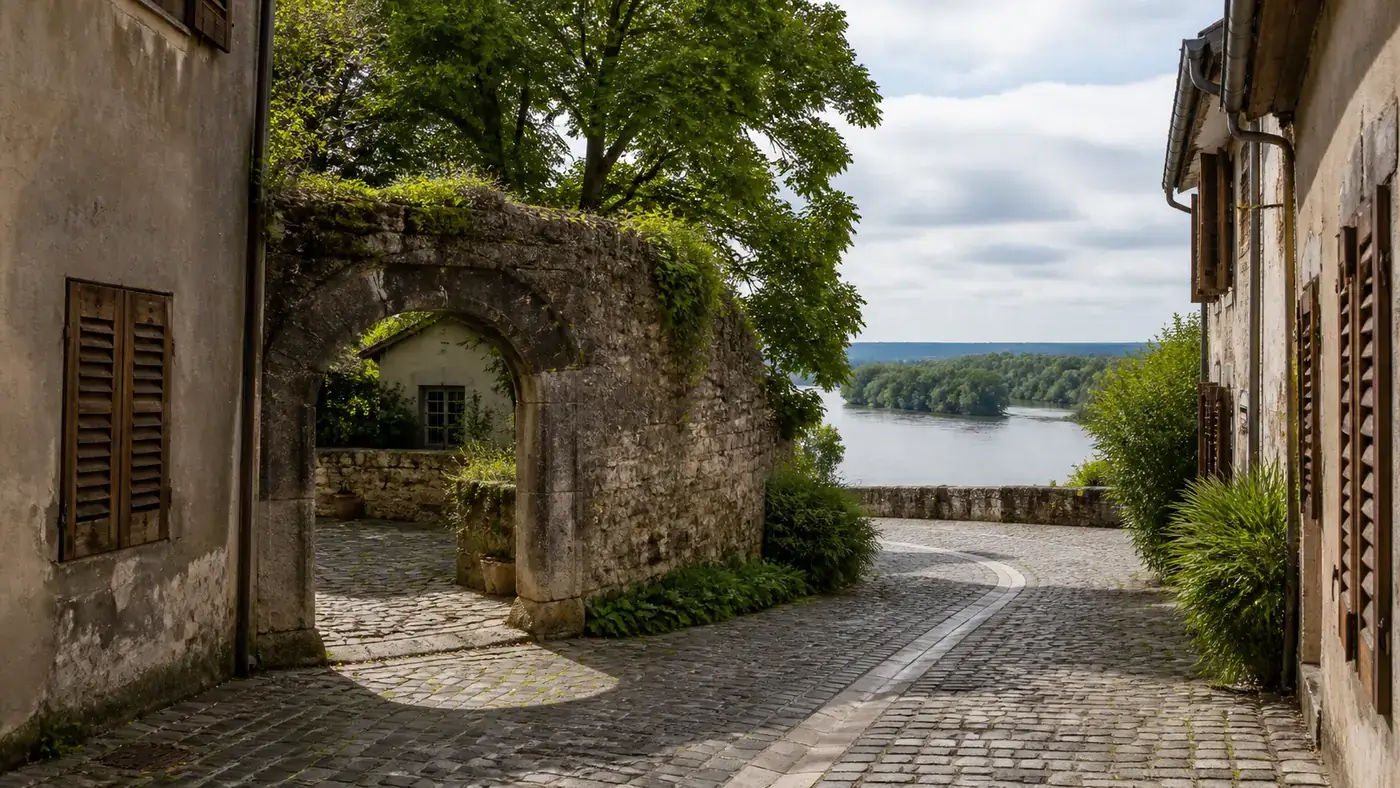
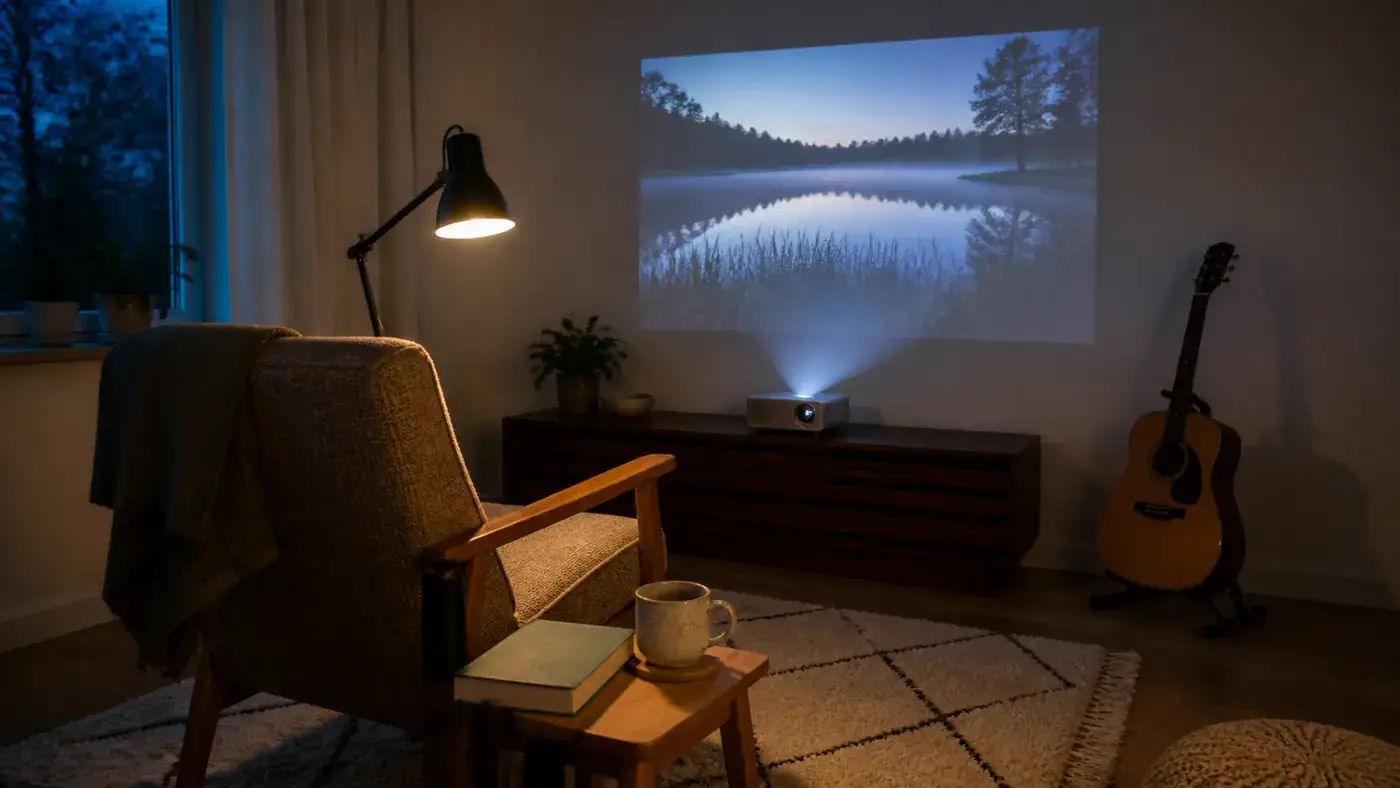
Almost any place that can be entered without an invitation or a purchase may be called a public space: a small park, square, waterfront, courtyard, reading room, or covered passage. Their value becomes clearer as homes grow smaller and work increasingly moves into them. A place where one may simply spend time stops being a pleasant extra and becomes part of the daily route—sometimes the only part a person chooses freely.
What makes a place comfortable
The first condition is a choice of activities. A good space supports several uses at once: walking through, sitting in the shade, talking, waiting for someone, or spending time alone. If there is only one use, the place works for a narrow part of the day and looks empty at other times. The second condition is accessibility in its plainest sense: an even surface, a clear entrance, lighting, water, shade, and room for a pushchair or a person with limited mobility. Outstanding design is rarely required; it is enough that ordinary visitors need not struggle with obstacles or search for a way around them.
Signs of a successful space
Several signs are visible without formal research. People stay longer than it takes to pass through. Different groups arrive at different times. Furniture is used in more than one way. Visitors bring something of their own: food, a book, work, or conversation. The place feels lived in rather than newly opened. The opposite sign is just as clear: when a space looks attractive in photographs but nobody stays, the cause is usually found in details—uncomfortable seating, no shade, too much exposure, noise, or unclear rules.
Feedback and rules
A place lasts longer when it can listen to its visitors. This need not mean a formal survey: an open noticeboard, a regular meeting, or a simple feedback form may be enough. Feedback must lead to at least a few visible changes, or people soon stop offering it. Rules work better when they are brief and describe possibilities instead of prohibitions. People are more willing to maintain order when they understand the reason for restrictions and see that the same rules apply to everyone.
Public spaces rarely become important at once. They usually need several seasons before people grow familiar with them and begin to regard the place as their own. It is worth allowing that time rather than rebuilding everything after the first few weeks or judging it by one unsuccessful month. Such a place should also be assessed on weekdays, not only at weekends: an ordinary day reveals whether it has entered daily routines or remains reserved for special occasions.