The city changes with us
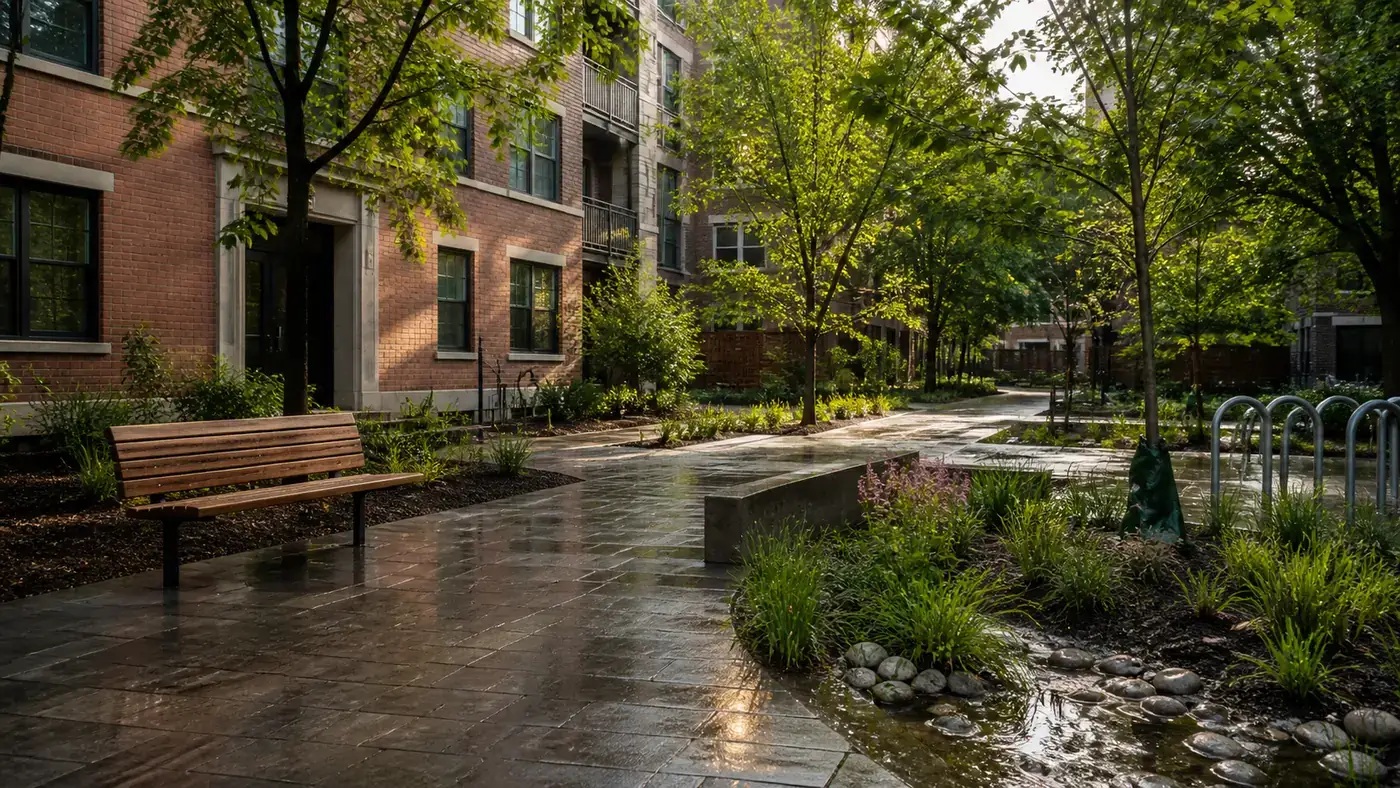
We tend to think that cities are changed by major decisions: a new square, a renovated waterfront, or a redesigned transport network. All of that matters, but the everyday environment also consists of countless small things that people do themselves. A bench turned toward the sun rather than a car park. A path worn where people naturally walk. Neighbours agreeing that their courtyard should not become one continuous parking area. These details determine whether coming home feels pleasant.
Small actions people can see
The easiest place to start is within a few minutes’ walk of home. These changes need no large budget and are immediately visible: clutter cleared from an entrance, clear signs on a door, a shared calendar for courtyard tasks, or a box for lost property. None looks impressive alone, but together they change how a place feels—it becomes clear that someone cares for it. The second step is usually harder because it requires agreement. A simple rule helps: first describe the problem in words everyone understands, and only then propose a solution. Saying that the courtyard is dark in the evening and difficult to cross with a pushchair works better than demanding the immediate installation of a particular model of lamp.
How to notice the result
Participation quickly fades when nobody can see the outcome. It helps to record the situation before and after with a short note, a couple of photographs, or a message in the shared chat. After several months, that record shows progress better than any declaration and helps new neighbours understand that a practice already exists. Another way to see results is to watch people rather than objects. If people actually use the new bench, walk through the courtyard more comfortably, or bring children who were not there before, the change has met a real need. If an object stands unused, ask why instead of treating it as ingratitude.
What to do when it does not work
Not every initiative reaches completion, and that is normal. Some ideas encounter regulations; others lack shared interest. Reducing the scale often helps: improve one part of the courtyard instead of redesigning all of it, speak to several neighbours instead of convening a general meeting, or hold a one-off event instead of launching a permanent project. A small success offers more than a grand plan that never leaves discussion, because it shows others a real result rather than a hypothetical one.
A city changes slowly and almost imperceptibly to those who live in it every day. You can notice the change by occasionally looking at a familiar route as though walking it for the first time. Both the small improvements that have accumulated and the places still waiting for attention then become visible.